
Premium TNG NFC Card Finishing in 4 Expert Steps
15th September 2026 | by Acan Shahid
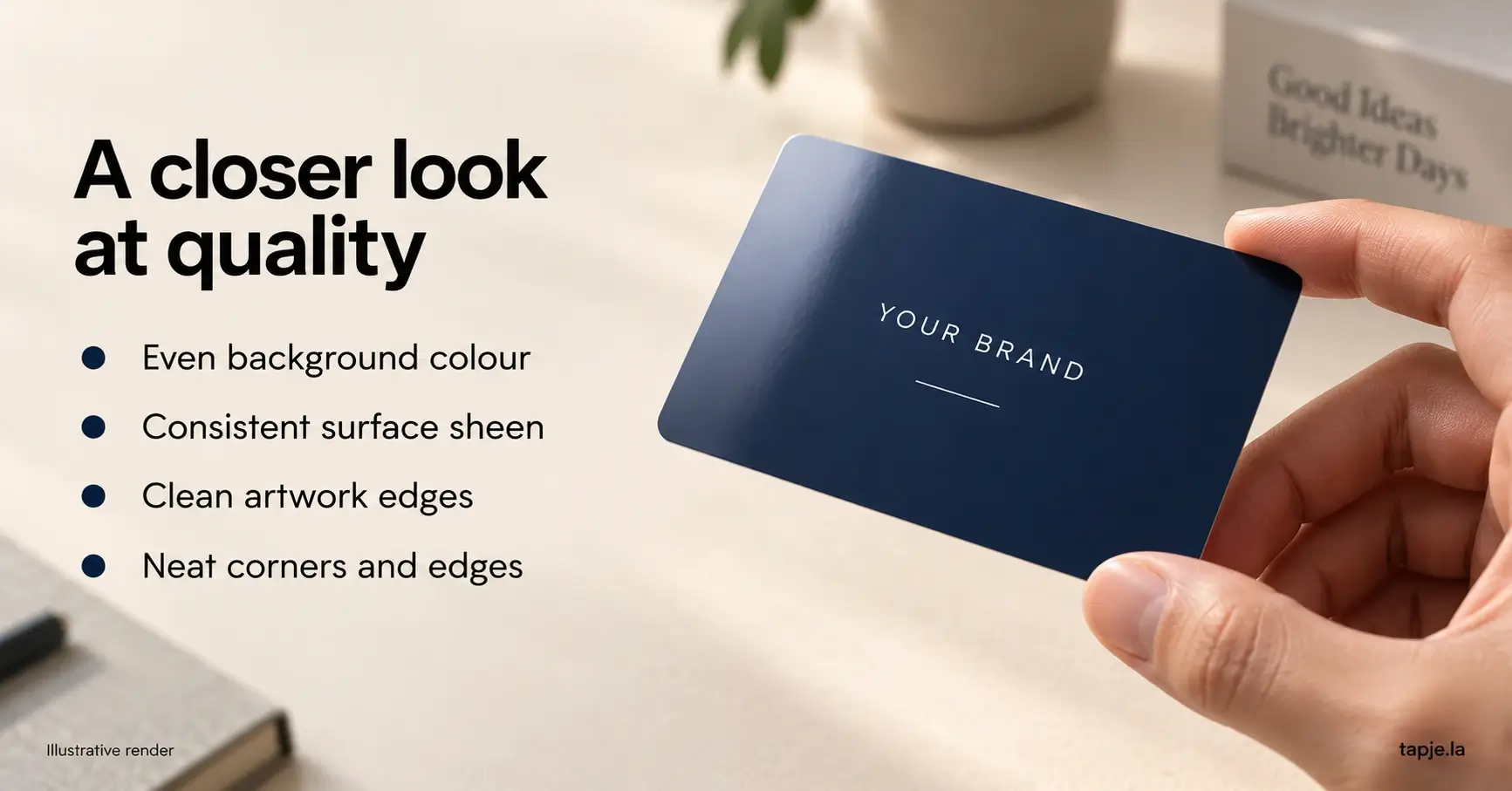
A logo can look perfect on screen and still disappoint when the finished card arrives. Tilt the card towards the light, and the background may reveal faint stripes, uneven colour or a surface that feels different from what you expected.
That is why TNG NFC card finishing deserves as much attention as the artwork.
At tapje.la, our premium fully customized TNG NFC cards combine a sprayed automotive-grade paint system with UV printing for the final design. We spray the primer, background colour and clear coat first. Your logo, symbols and wording are UV printed afterwards.
Each stage has a purpose: helping the coating adhere, creating an even colour background, setting the gloss or soft matte finish, and adding your branding details.
Understanding these layers makes it much easier to compare quotations and choose a card that deserves to carry your brand.
Why the background matters to your brand
Imagine a company card with a deep blue background and a small white logo. The artwork is simple, so the blue surface occupies most of what the recipient sees.
If that background has visible lines or an inconsistent sheen, the whole card can feel less carefully made. A sharp logo cannot hide those distractions.
With a premium finish, the background becomes part of the design. A gloss surface catches the light and adds visual depth. Soft matte creates a quieter, low-reflection appearance. Both can give a simple layout a more considered presentation.
For a corporate gift, that difference matters at the moment someone takes the card out of its packaging and holds it. You are choosing how your brand appears on a physical object they may carry every day.
What basic UV printing includes
UV printing places ink directly onto a surface and uses ultraviolet light to cure it. It is useful for detailed artwork, logos, lettering and multicolour designs. tapje.la uses it for the final artwork in our premium process.
A basic direct UV printing package may print both the background and the artwork onto the card, without a separately sprayed colour layer or automotive clear coat. That can suit a project where budget and straightforward customization are the main priorities.
However, the words “full-colour printing” describe the image coverage. They do not tell you whether the quotation includes a separately finished background.
When comparing suppliers, ask what sits underneath the logo and what determines the final surface appearance. Two quotations can show the same artwork while covering different production work.
UV print banding and the lines buyers should notice
Banding is a visible change across a printed area that should look continuous. It can appear as pale stripes, darker bands or repeated lines that resemble joins between sections of the background.
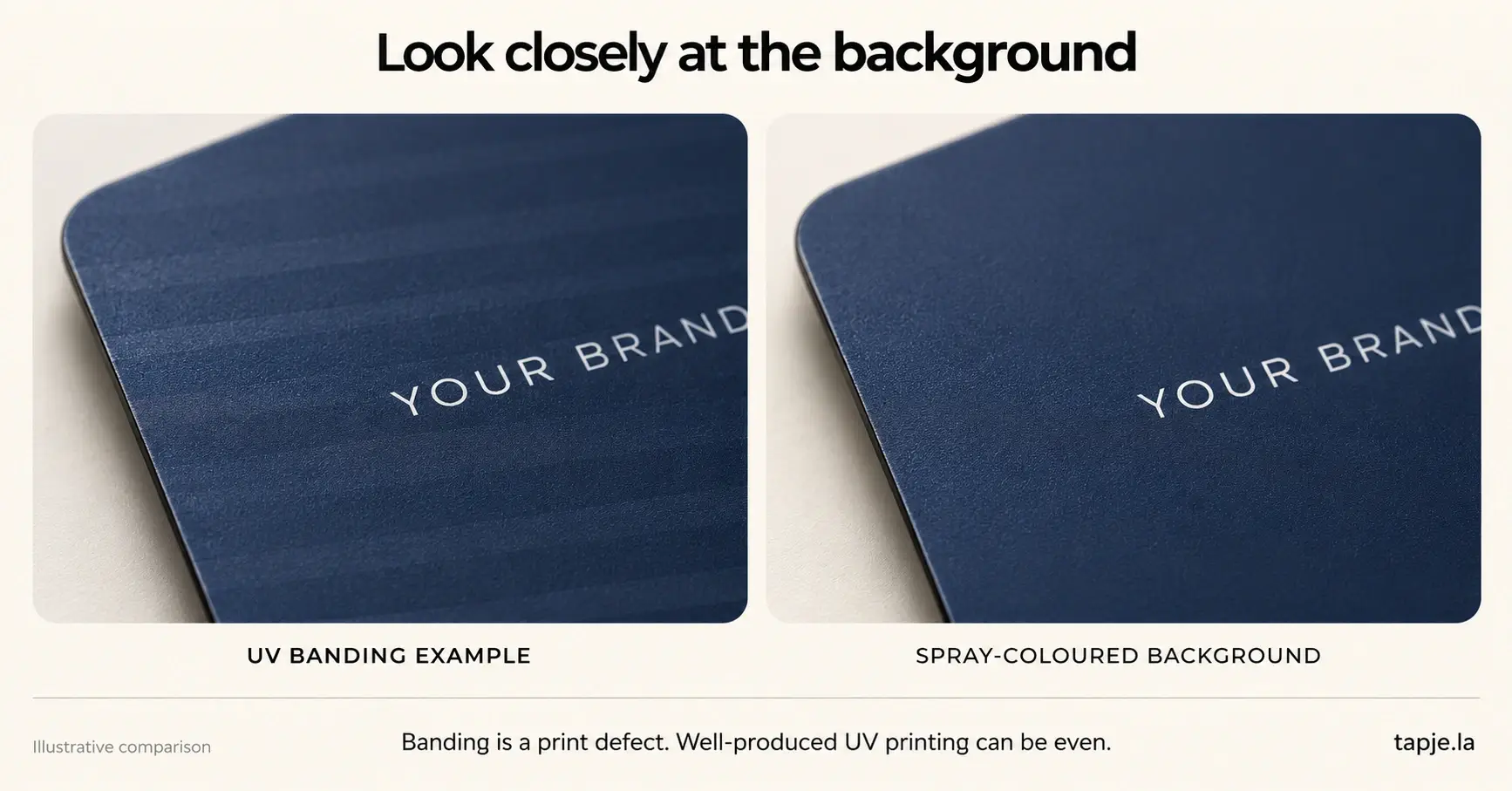
It is often easier to notice on a large area of one colour. Busy artwork can disguise small variations; a clean, minimal design gives them fewer places to hide.
A UV printer builds an image through controlled ink droplets and printing passes. If ink delivery or the positioning of those passes becomes inconsistent, a solid background can show visible variations.
Why a printhead can contribute to banding
Blocked or misfiring nozzles can interrupt ink delivery. Contamination, trapped air and physical damage around the nozzle area can also affect the result. Mimaki identifies these issues in its guidance on nozzle dropout and deflection.
A deteriorated or damaged printhead may need servicing or replacement. But visible lines alone do not establish that a printhead has reached the end of its service life. Cleaning, ink delivery checks or machine adjustments may resolve the underlying problem.
For a buyer, the useful question is whether the supplier can deliver a consistent sample and explain how they control print quality.
Banding is a production defect, rather than an unavoidable feature of all UV printing. A well-maintained and correctly set up UV printer can produce excellent work.
How spraying changes the background process
For our premium TNG NFC card finishing, we create the full-colour background with a spray gun. The background therefore does not depend on a UV printhead laying down its solid colour in printing passes.
This removes UV printing banding as a cause of lines in that sprayed background. It also lets us develop the background colour and surface finish as separate stages.
Spraying requires skill too. Uneven application, dust or unsuitable curing can spoil a painted surface. The value lies in the materials, application and finished result working together.
Our premium TNG NFC card finishing process
The core order is sprayed primer, sprayed colour, sprayed clear coat, then UV printed artwork. The coating selection and application details depend on the gloss or soft matte effect chosen for your project.
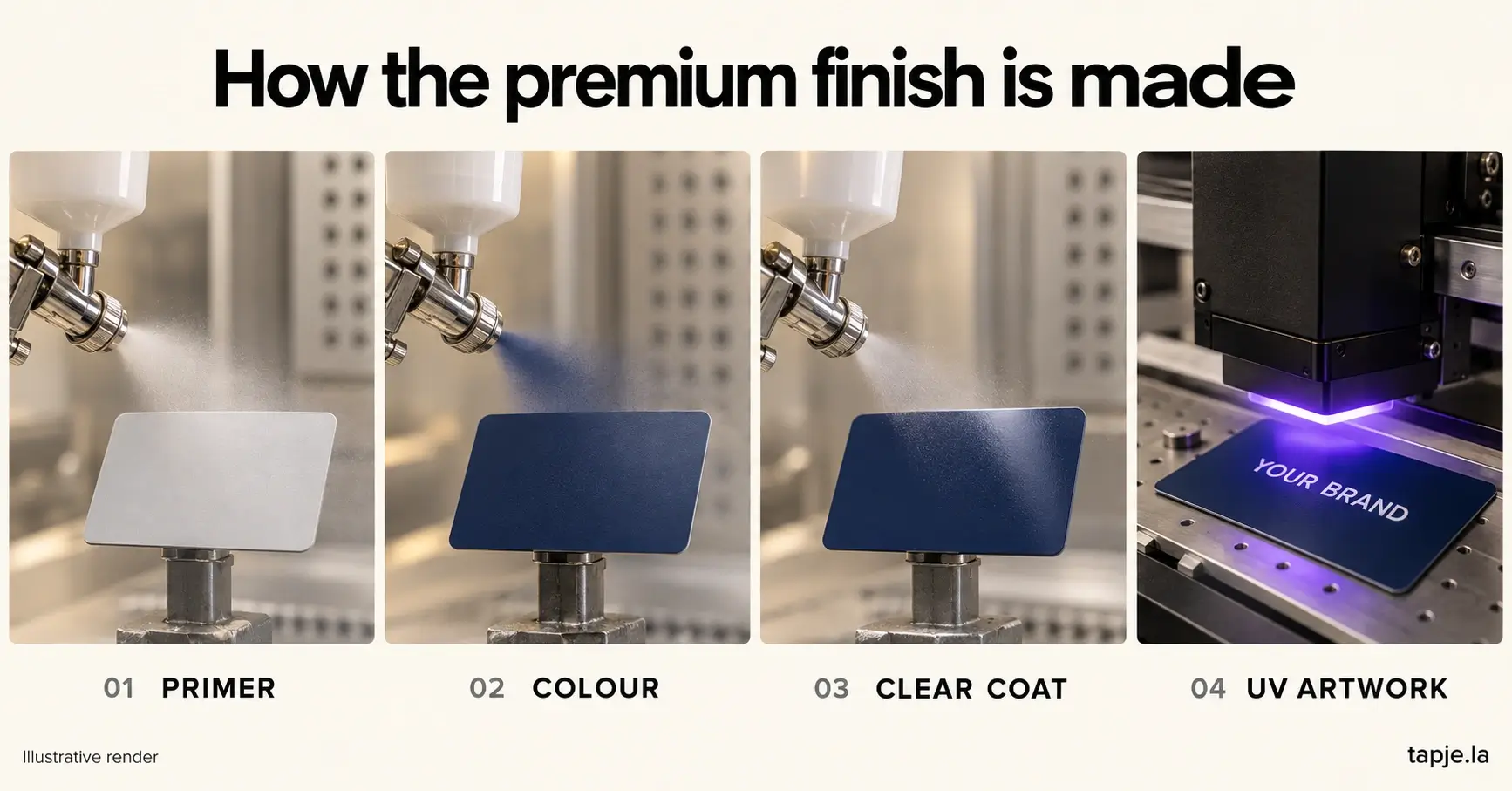
Step 1 Spray the primer
The primer creates the foundation for the coating system. Its role is to help the following layers adhere to the prepared card surface.
Adhesion means how well one layer holds onto another. It matters because a finish can look attractive at first but perform poorly if its layers do not bond properly.
Primer selection needs to suit the card material and the coatings that follow. This first stage contributes to a finish intended for regular handling, even though the primer itself will be hidden from view.
Step 2 Spray the background colour
We apply the selected background colour using a spray gun. This creates the colour layer beneath your branding.
For designs with a solid background, the aim is even coverage across the visible surface. This is especially valuable when a minimal layout leaves a large area of colour exposed.
The sprayed colour also gives the clear coat a consistent visual foundation. Whether the final result is reflective or understated, its appearance starts with how well this colour layer is applied.
When your brand colour is important, assess it on a physical sample. A phone or laptop display cannot fully reproduce how a coated surface looks under different lighting.
Step 3 Spray the clear coat
The clear coat sits over the sprayed colour. It helps protect that background and establishes the chosen gloss or soft matte effect.
Our premium options use a 2K coating approach. “2K” refers to a two-component system in which the coating is combined with a compatible hardener to cure. The appropriate formulation and curing conditions matter to the finished result.
This follows the same layered principle used in automotive refinishing: prepare the surface, apply the colour, then use a clear coat to establish the finish and protect the colour underneath.
For an industry example of this principle, PPG explains how gloss and matte automotive finishes use different clear coats.
Step 4 UV print the final artwork
After the coated background is ready for printing, we add your final logo, symbols and wording using UV printing.
This is where the detailed artwork comes in. Spraying creates the background and selected sheen, while UV printing places the branding elements onto that finished surface.
In this sequence, the artwork sits above the clear coat. The clear coat protects the sprayed background beneath it; it does not encapsulate the UV printed logo and text. Those printed details rely on suitable ink adhesion and their own resistance to handling.
That distinction helps you understand exactly what your finishing package includes.
Choosing gloss or soft matte
The two finishes create different impressions. Your preferred look, artwork and handling habits should guide the choice.
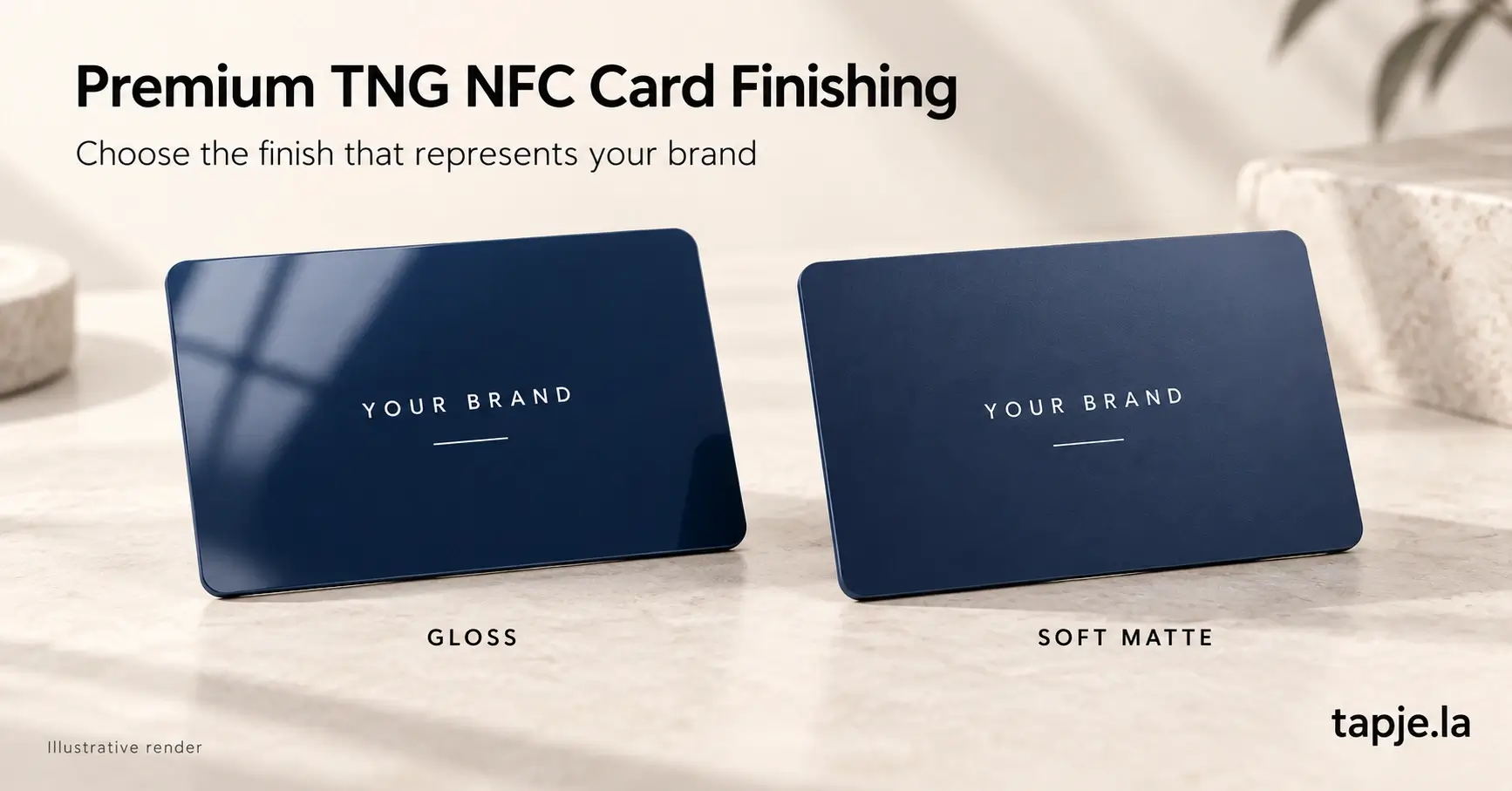
| What you are choosing | Gloss finish | Soft matte finish |
| Light reflection | Bright, reflective surface | Subdued reflections and lower sheen |
| Visual impression | Rich colour appearance with visual depth | Understated appearance that suits restrained branding |
| Design direction | Bold colours and statement corporate gifts | Minimal layouts and discreet branding |
| What to inspect | Even reflections and surface clarity | Consistent sheen without shiny patches |
| Care consideration | Fingerprints and fine marks can be more noticeable | Repeated rubbing or polishing can create shiny areas |
A gloss finish works well when you want the background to catch the light. Soft matte suits a design that benefits from a calmer surface appearance.
“Soft matte” describes the selected finish. It should not automatically be taken to mean a rubberized or soft-touch coating. Handle a sample to assess the actual texture.
For more help choosing between the two, read our 2K gloss vs soft matte finishing guide.
Why the premium process costs more
A separately sprayed finish involves additional materials, application stages and curing time. The primer, colour and clear coat each perform a job before the artwork reaches the UV printer.
Those stages explain why a basic printing quotation and a premium finishing quotation can differ, even when they use the same design file.
The additional budget buys a deliberately finished background: its colour coverage, sheen and protective clear layer. It also gives you a choice about how the card presents your brand in person.
| Part of the card | Basic direct UV package without extra finishing | tapje.la premium process described here |
| Background colour | UV printed | Spray applied |
| Separate sprayed primer | Not included in this comparison | Applied before the colour |
| Separate automotive clear coat | Not included in this comparison | Applied over the sprayed colour |
| Logos and wording | UV printed | UV printed after the clear coat |
| Surface appearance | Determined by the card and printed ink | Gloss or soft matte background from the selected coating system |
| Main reason to choose it | Straightforward customization within a tighter budget | Greater control over background appearance and added protection for the sprayed colour |
This comparison covers a basic UV printing package without extra finishing. Some printers offer UV varnish, lamination or other premium treatments. Those should be compared by their actual specifications and samples.
A low-cost UV printed background on its own does not include the automotive coating system described here. Producing a gloss or matte effect through another method also does not automatically give it the same appearance, feel or wear performance.
Durability and scratch resistance in everyday use
Our premium TNG NFC card finishing is designed to give the sprayed colour a protective clear layer and support an attractive finish through regular handling.
Automotive coating systems are developed with appearance and durability in mind. Manufacturers offer different clear-coat formulations, including products designed for scratch and mar resistance. PPG outlines these differences in its automotive clear-coat overview.
The practical benefit in our process is that the sprayed background has a dedicated coating over it. However, the lifetime of a finished card depends on the actual materials, adhesion, curing, storage and use. The phrase “automotive-grade” alone cannot establish how many years it will last or prove that it outperforms every UV printed card.
Scratch resistance means a surface can resist some scratching under particular conditions. It does not make the card scratch-proof. Keys, trapped grit and repeated friction can mark a coated surface, while the final printed artwork remains exposed to handling.
When comparing durability claims, ask which part was assessed: the background coating, the printed logo, or the complete finished card. A clear answer is more useful than a broad promise of “maximum durability”.
How to judge a sample before ordering
A physical sample gives you information that a digital mockup cannot. Use these checks when comparing TNG NFC card finishing options.
Tilt the card under a light. Inspect the background for stripes, uneven coverage and distracting changes in sheen. Move it slowly so you see more than one angle.
Look at the largest area of solid colour. This is often where inconsistencies are easiest to spot. Check the background as carefully as the logo.
Inspect the lettering and symbols. Look for clean edges, readable small text and clear separation between design elements.
Check the corners and edges. Look for lifting, chips or coating build-up that affects the feel of the card.
Handle the surface gently. Assess the finish you will actually receive. Avoid judging touch and texture from a photograph alone.
Ask about the layer order and care. Find out whether the clear coat sits beneath or above the artwork, and how the supplier recommends maintaining it.
For a corporate order, a sample using your intended background colour and artwork is especially useful. It helps your team agree on what “premium” means before committing to the full quantity.
Keeping your card looking its best
Carry the card in a clean slot or sleeve, away from loose keys and abrasive items. Remove grit before gently wiping the surface with a soft, slightly damp microfiber cloth.
Avoid harsh solvents, abrasive cleaners and heavy rubbing. Ask us before using a cleaning product on the printed artwork or coating.
For soft matte, avoid polishing or buffing. Rubbing a low-gloss surface can change its sheen and leave a shiny patch, as explained in PPG’s matte finish care guide. That guide concerns automotive paint; follow tapje.la’s card-specific care advice for your finished product.
Frequently asked questions about TNG NFC card finishing
Is UV printing a low quality method
UV printing can produce excellent detailed artwork. Quality depends on the equipment, ink, settings, surface preparation and production control. Our premium process uses UV printing for the final design, alongside a separately sprayed background and clear coat.
Do visible lines mean the printhead must be replaced
They can indicate a printing problem, but they do not identify the cause by themselves. Nozzle contamination, ink delivery problems, machine adjustment or printhead damage may need investigation. Replacement should follow a proper diagnosis.
Is the background painted or printed
In the premium process described here, the background colour is sprayed. We then spray the selected clear coat and UV print the final logo, symbols and wording on top.
Is soft matte more durable than gloss
The finish name alone cannot answer that. Wear performance depends on the coating formulation, application, curing and handling. Choose the appearance you prefer, then discuss the care needs and available durability evidence for that specific finish.
Does clear coat protect the printed logo
Our stated sequence places the clear coat before the final UV artwork. It protects the sprayed colour underneath. The logo and text sit on top, so their durability depends on the printed ink and its adhesion to the coated surface.
Which option suits my budget
If your priority is straightforward branding at a lower initial cost, compare basic UV printed samples. If the background appearance, selected sheen and added colour protection are central to your project, consider our premium spray finishing process. Ask for a quotation that clearly identifies the included layers.
Choose a finish that represents your brand
Premium TNG NFC card finishing becomes easier to appreciate when you know what to look for: an even background, a considered gloss or soft matte effect, clear artwork and a coating system with a defined purpose.
At tapje.la, we bring spray finishing and UV artwork printing together so you can choose how your fully customized card looks and feels in the hand.
Planning corporate gifts, a company anniversary or a personalized card? Share your artwork, quantity, preferred finish and budget with us. Our team can help you assess the finishing options and choose a direction that suits your project.
Speak with tapje.la about your premium fully customized TNG NFC card.